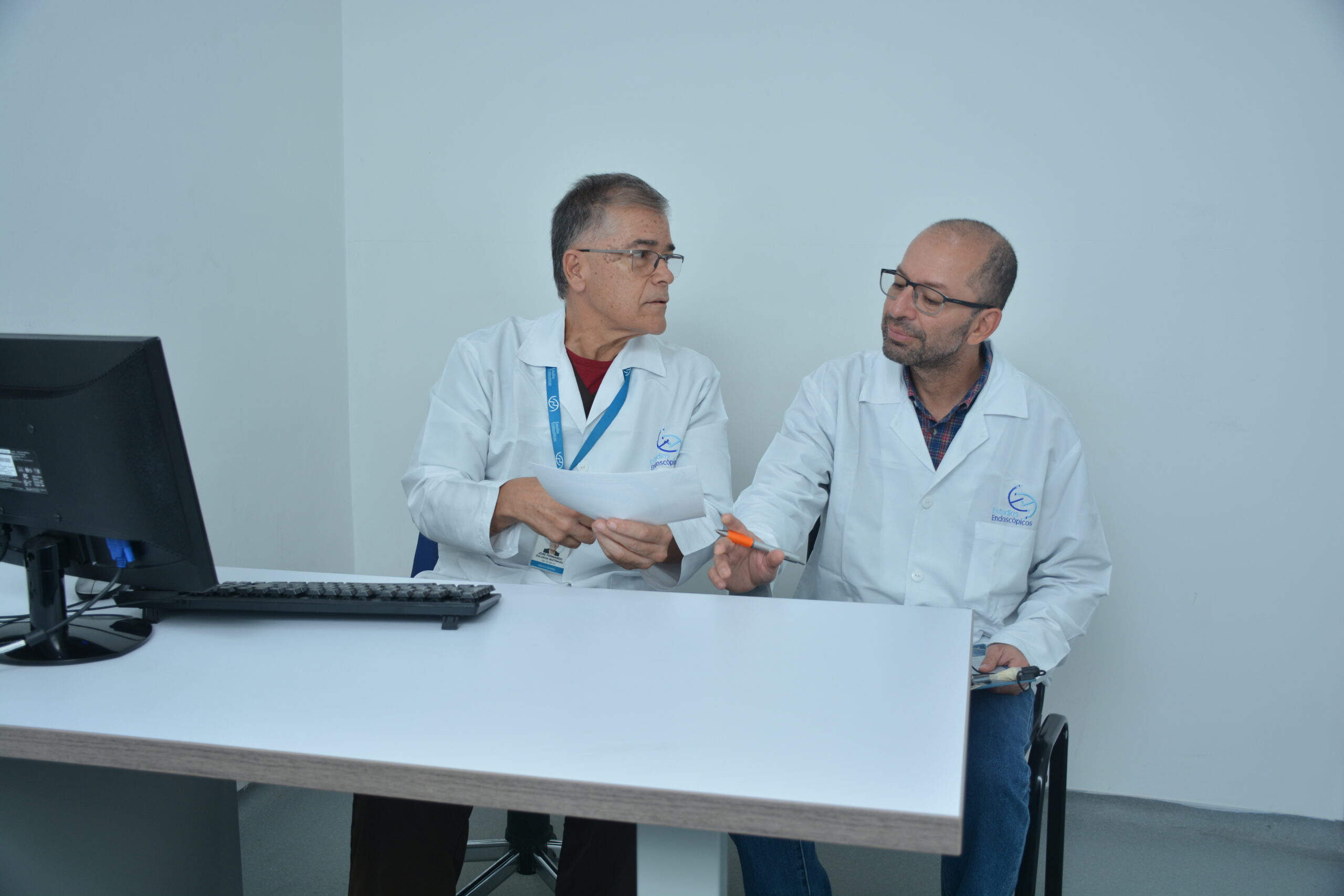
Endoscopic studies play a fundamental role in the field of gastroenterological medicine, allowing health professionals to detect and diagnose various digestive diseases in their initial stages. The importance of these procedures lies in their ability to provide a direct view of the gastrointestinal tract, which facilitates the early identification of problems and the application of timely treatments.
One of the key benefits of endoscopic studies is their ability to detect precancerous lesions or early malignancies. For diseases such as colorectal cancer, colonoscopy can reveal polyps that, if removed during the procedure, can prevent cancer from developing. Early detection not only improves treatment success rates, but also reduces the need for more invasive interventions.
In addition, these studies are essential for the diagnosis and monitoring of chronic diseases such as inflammatory bowel disease (IBD) or gastroesophageal reflux disease (GERD). They allow doctors to assess the severity of the disease, perform biopsies for further analysis, and adjust treatment plans based on the patient’s response.
In summary, endoscopic studies are not only diagnostic tools, but also preventive ones. By undergoing these procedures regularly, patients can actively contribute to their digestive health, identifying and addressing problems in their early stages. Consulting with a specialist and scheduling regular endoscopic studies can make a difference in the prevention and treatment of gastrointestinal diseases.